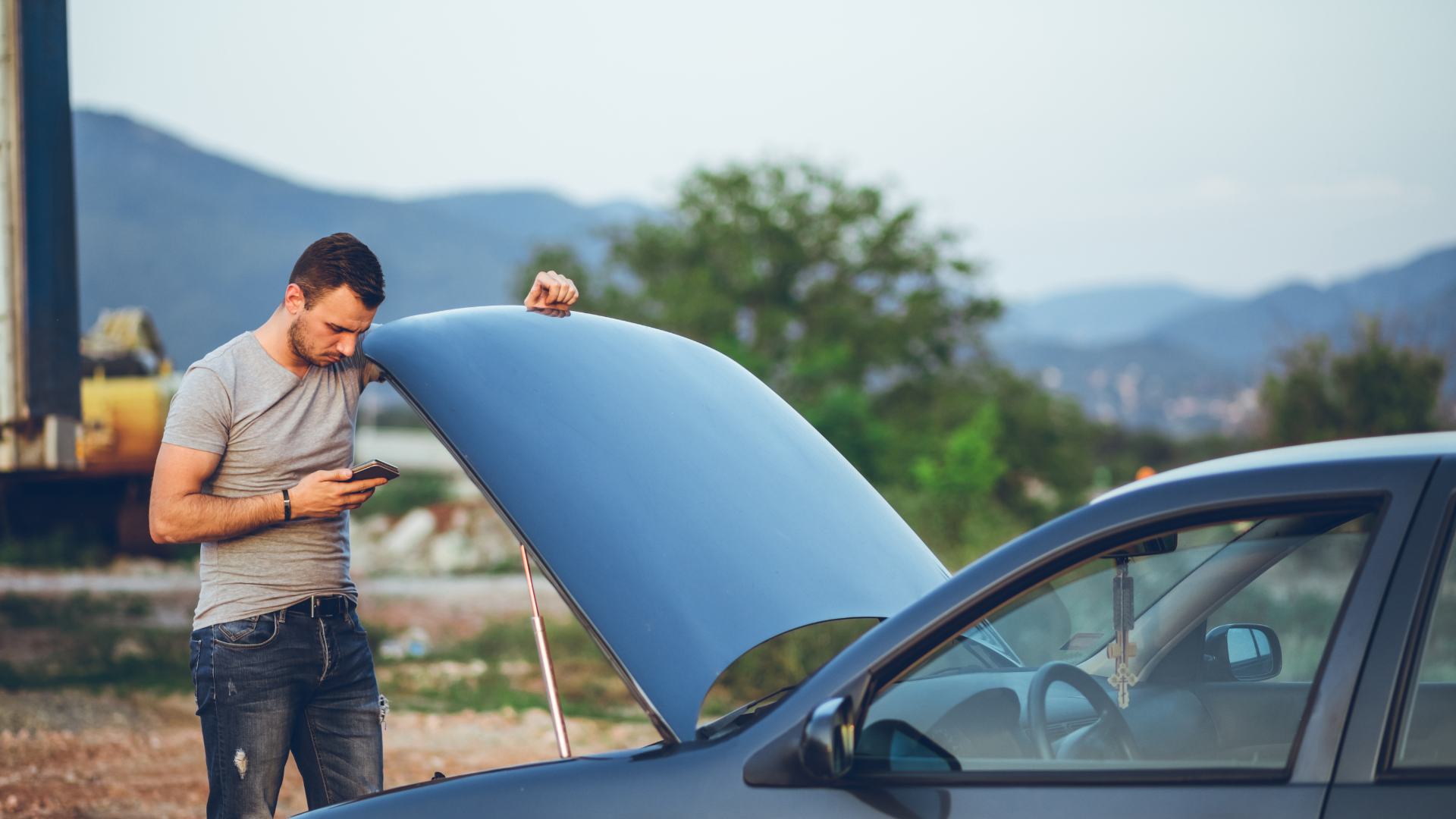
WHAT TO DO WHEN YOUR CAR BREAKS DOWN ON THE HIGHWAY

Roadside Safety · Vancouver, BC · 10 min read
Highway breakdown BC what to do when your car breaks down

Highway breakdowns are among the most dangerous roadside situations BC drivers face. Knowing what to do can save your life.

A highway breakdown is one of the most stressful situations a driver can face. Whether you are on Highway 1 through Burnaby, cruising the Sea-to-Sky toward Whistler, or navigating the Massey Tunnel approach on Highway 99, a sudden breakdown puts you and your passengers in a potentially dangerous position. According to Transport Canada, roadside incidents are among the leading causes of secondary collisions on Canadian highways.

The good news is that if you know exactly what to do, you can stay safe, protect your vehicle, and get back on the road faster. This guide walks you through every step — from the moment something feels wrong to the moment a tow truck arrives. You can also monitor conditions at DriveBC, BC's official road conditions resource.

⚠️ Important Safety Note

Highway breakdowns account for thousands of injuries annually across Canada. The steps in this guide are listed in priority order — safety first, vehicle second, everything else third. Do not skip ahead. For official BC road safety rules, refer to the BC Motor Vehicle Act.

Stay Calm and Do Not Brake Hard

The first few seconds of a breakdown are critical. If your engine fails, your tire blows, or something mechanical gives out while you are travelling at highway speed, your instinct may be to brake hard. Resist that urge.

Sudden braking at high speeds can cause loss of control or put you in the path of traffic behind you. ICBC's driver licensing resources cover emergency vehicle handling techniques that every BC driver should be familiar with.

  • Grip the steering wheel firmly with both hands
  • Ease off the accelerator gradually
  • Signal immediately to indicate you are moving to the shoulder
  • Steer smoothly toward the right shoulder or an emergency pullout
  • Brake gently and progressively once clear of the travel lanes
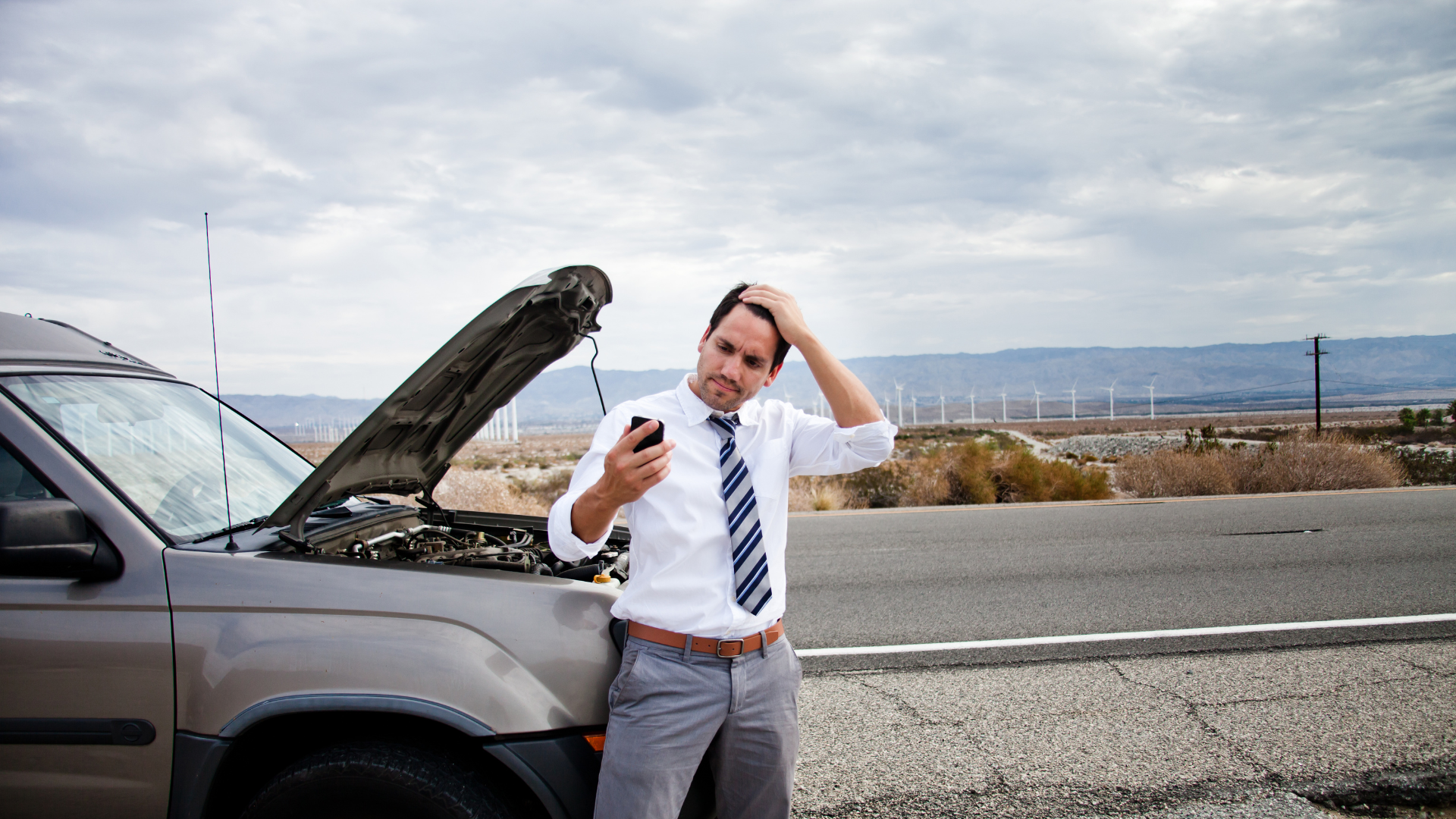
Driver staying calm during highway breakdown BC

The first few seconds of a highway breakdown are the most critical for your safety.

Sudden braking at high speed is one of the most dangerous things you can do when your vehicle breaks down. Ease off the accelerator — do not stomp the brakes.

Get as Far Off the Road as Possible
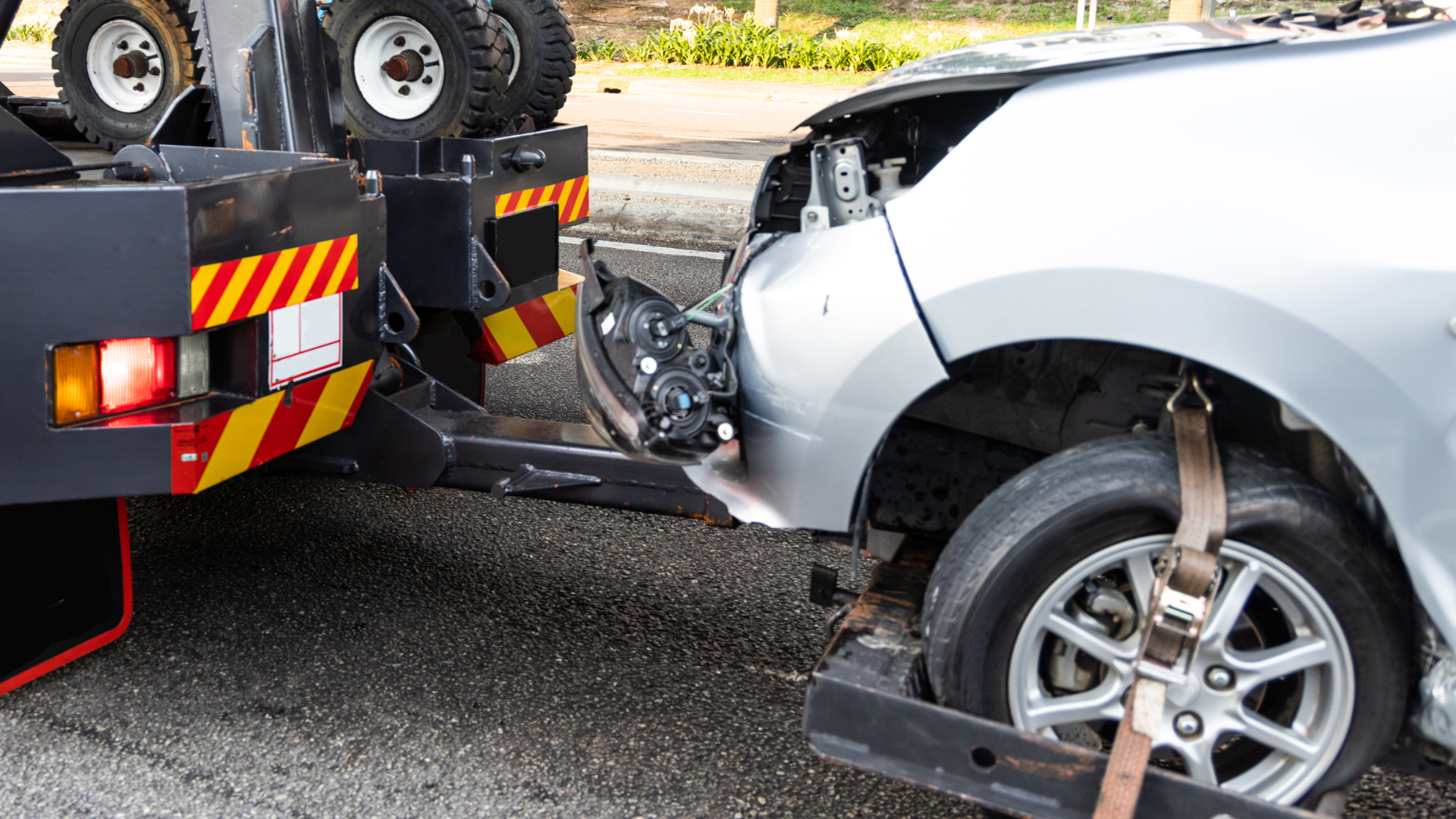
Pulling vehicle onto highway shoulder BC

Pull as far right onto the shoulder as safely possible — every metre of distance from traffic matters.

Once you have slowed down, your priority is distance from traffic. Pull as far right onto the shoulder as you safely can. If there is an emergency pull-off or a rest area ahead, coast to it if you have the momentum.

On BC highways, the shoulder is not always wide, and on routes like the Sea-to-Sky Highway there may be very limited space. In that situation:

  • Stay in your lane and use your hazard lights to signal the issue to drivers behind you
  • Move only when it is safe — do not swerve abruptly to reach a narrow shoulder
  • If you must stop in a lane, call 911 immediately after stopping

Turn On Your Hazard Lights Immediately

The moment you realize there is a problem, activate your hazard lights. Do this before you have fully stopped. Hazard lights give drivers behind you critical warning time, especially in poor visibility conditions — rain, fog, and low light are common on BC highways year-round. ICBC's safe driving resources offer more guidance on handling poor-visibility situations on BC roads.

Keep your hazards on the entire time your vehicle is stopped on or near a roadway. Do not turn them off until your vehicle is fully loaded onto a tow truck or safely in a parking lot away from traffic.

Turn your hazard lights on the moment something feels wrong — not after you have stopped. Every second of warning you give to drivers behind you matters.

Make Your Vehicle Visible

Once stopped, increase your vehicle's visibility using anything you have available. This step can genuinely save lives. Transport Canada recommends all drivers carry emergency warning devices as part of a basic vehicle safety kit.

  • Reflective warning triangles — place them 15, 30, and 45 metres behind your vehicle
  • Road flares — highly visible in rain and darkness
  • Bright flashlights or phone torches — position them to face oncoming traffic

Place warning devices starting closest to your vehicle and moving back along the shoulder. Never walk into the travel lanes to place warning triangles.
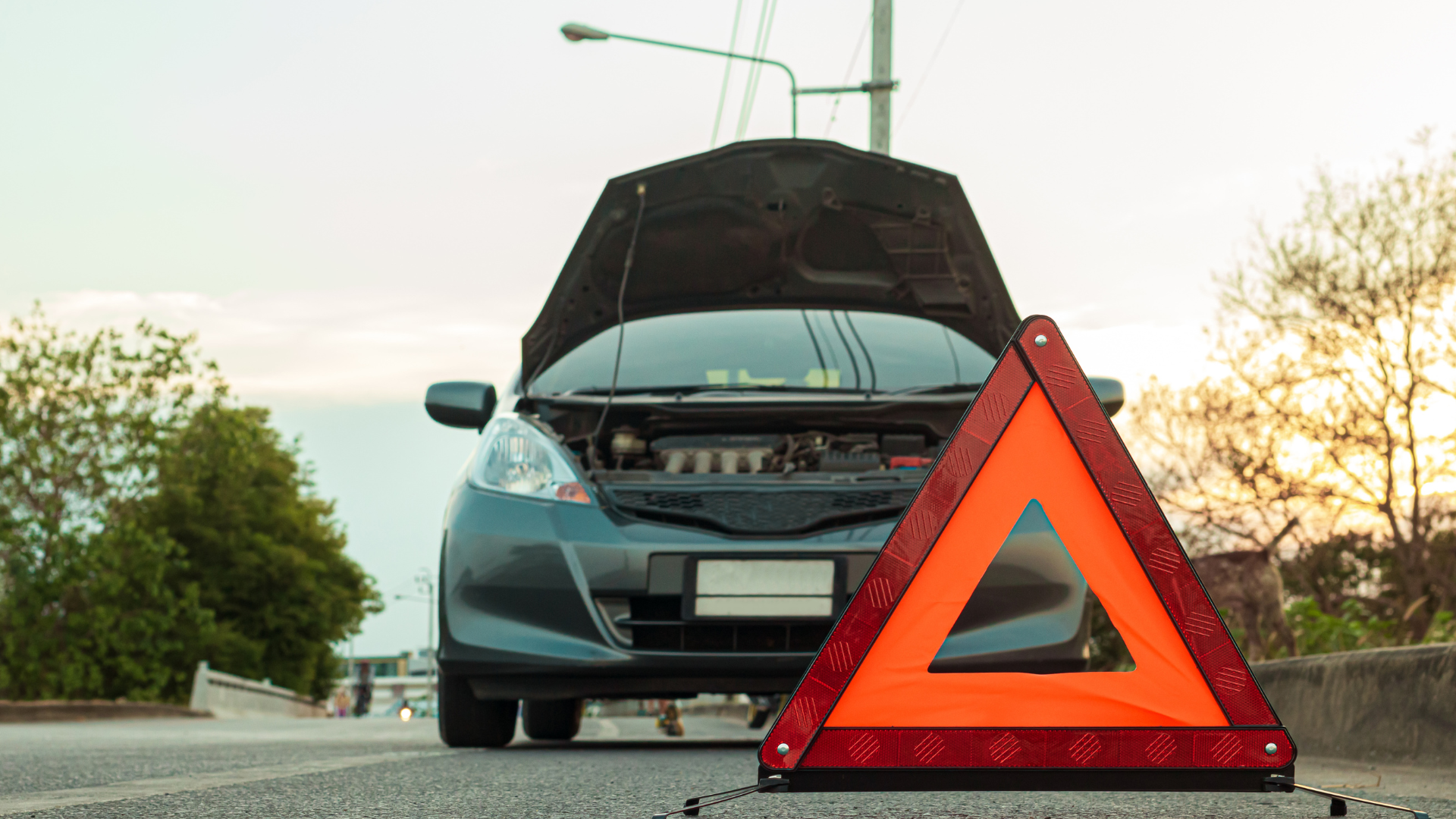
Warning triangles placed on highway shoulder BC

Warning triangles and road flares dramatically reduce the risk of a secondary collision.

💡 Pro Tip: Build a Basic Emergency Kit

Every vehicle should carry: reflective triangles or road flares, a flashlight, a high-visibility vest, a basic first aid kit, a warm blanket, and a phone charger. In BC winters, add an ice scraper, sand or kitty litter for traction, and extra warm clothing. BCAA publishes a detailed recommended emergency kit list for BC drivers.

Get Passengers Away from the Vehicle
Passengers moving away from vehicle on highway shoulder BC

Position yourself ahead of the vehicle, toward the guardrail side, and well off the roadway.

If it is safe to exit the vehicle, get all passengers out and move them away from the roadway. The recommended position is beyond the guardrail or up an embankment — well away from the travel lanes and the shoulder.

Do not stand behind your vehicle. Rear-end collisions with parked vehicles on the shoulder are one of the most common causes of highway fatalities. ICBC's road safety statistics highlight shoulder and roadside incidents as a consistent concern across BC.

If it is not safe to exit — such as on a narrow bridge, a tunnel, or in heavy traffic — keep all passengers inside with seatbelts fastened.

Never stand behind your vehicle on a highway shoulder. Move ahead of it, behind the guardrail, and as far from traffic as possible.
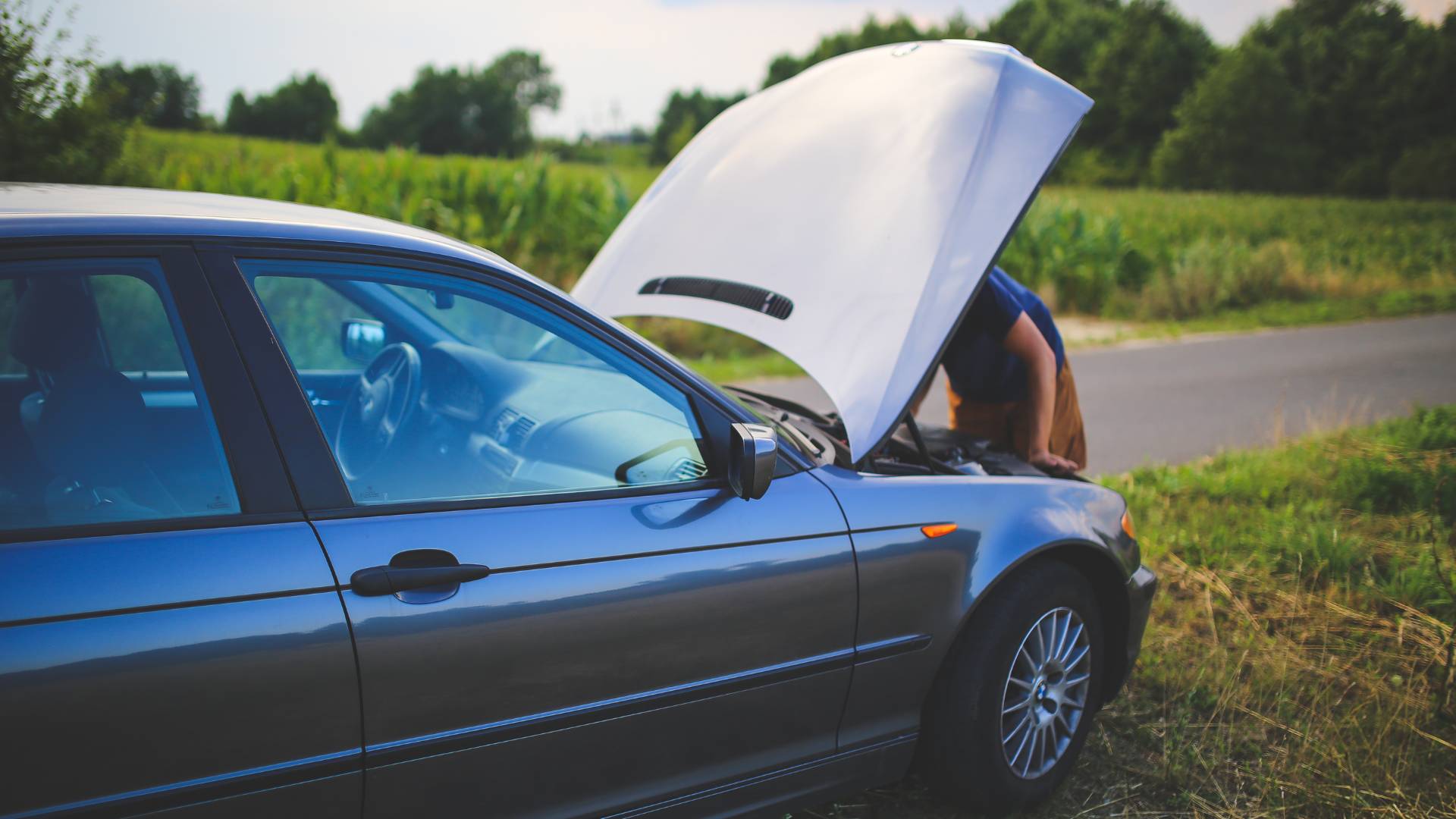
Assess the Situation — Do Not Attempt DIY Repairs

Once your passengers are safe, take a quick look at the obvious causes: a flat tire, steam from the hood, warning lights on the dash, or fluid on the road. This information is useful when you call a tow truck.

However, do not attempt to perform repairs on the highway shoulder unless you are a trained professional in a controlled, safe environment. Changing a tire on a high-speed highway is genuinely dangerous. CAA's roadside safety tips consistently advise drivers to wait for professional assistance rather than attempting repairs roadside.

Even a few minutes of exposure to highway traffic on the shoulder carries significant risk. Call a professional — do not attempt repairs on the highway.

Call for Help — Know the Priority Order

Now it is time to make your calls. Here is the priority order before anything else:

Call 911
Anyone injured, vehicle blocking a lane, or immediate danger
Call a Towing Company
Standard mechanical breakdown, safely on the shoulder
Check Your Coverage
BCAA, ICBC enhanced coverage, or credit card roadside benefits

When you call a towing company, have this information ready: your exact location including the nearest highway marker or overpass, the make, model, and year of your vehicle, the type of problem, whether there are passengers with you, and any mobility or accessibility needs.

Many BCAA members, ICBC customers with enhanced coverage, and credit card holders have some form of roadside assistance built into their plans. If not, a dedicated roadside assistance service can cover you for battery boosts, tire changes, and more.

While You Wait — Do's and Don'ts

Once help is on the way, your job is to stay safe until they arrive. The Canadian Red Cross recommends all drivers have basic first aid knowledge for roadside emergencies.

✅ Do

  • Stay away from the vehicle if you are outside on the shoulder
  • Keep your hazard lights running at all times
  • Stay on the phone with the tow company if needed for directions
  • Note your estimated wait time and follow up if it passes
  • Keep warm — BC highway shoulders can be cold and exposed

❌ Do Not

  • Accept assistance from unmarked or unlicensed vehicles
  • Leave your vehicle without taking your keys, registration, and valuables
  • Stand near the road to flag down the tow truck
  • Try to push your vehicle further along the highway
  • Turn off your hazard lights while waiting for help

Know Your BC-Specific Highway Conditions

Driving in British Columbia comes with unique challenges that increase breakdown risk. The BC Ministry of Transportation provides up-to-date route information and seasonal advisories for all major highways.

⛰️

Mountain Grades

The Coquihalla and Sea-to-Sky put additional stress on brakes and engines. Check your vehicle thoroughly before any mountain route.

🌧️

Wet Weather Year-Round

BC's wet weather increases the risk of hydroplaning and reduces visibility on all major routes throughout the year.

❄️

Winter Tire Requirements

BC requires approved winter tires between October 1 and April 30 on many designated routes.

🚦

Metro Vancouver Traffic

High traffic density means breakdowns in the wrong place can create major backups and additional danger for you and other drivers.

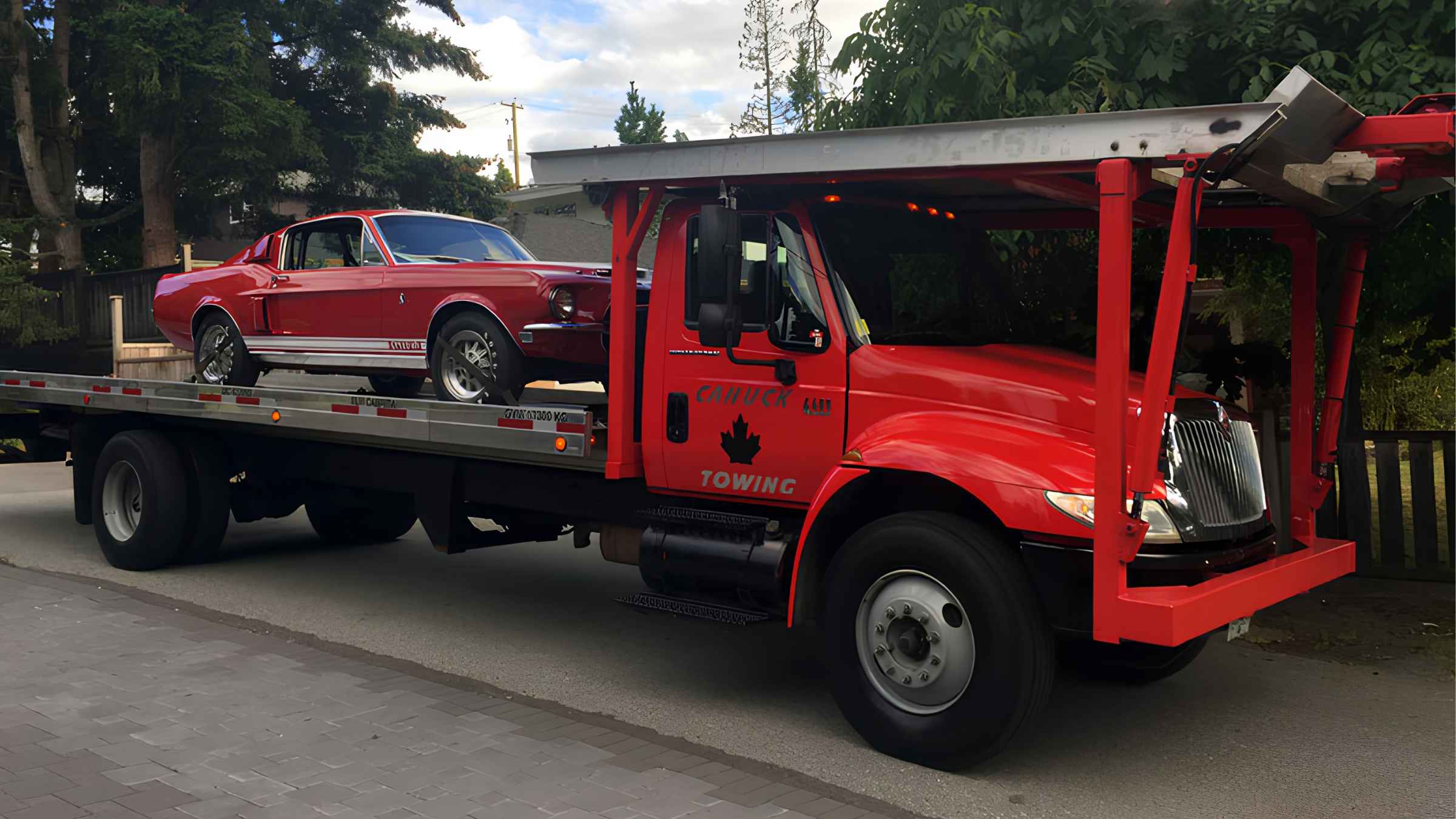
Canuck Towing truck on BC highway Lower Mainland

The Takeaway

A highway breakdown does not have to become a crisis. With the right steps, you can stay safe, protect your vehicle, and get professional help on the way within minutes. The key is to move quickly, think clearly, and call a towing company you can trust.

For additional road safety preparedness, BCAA's road safety program is an excellent resource for BC drivers of all experience levels.

Canuck Towing serves Vancouver, Burnaby, and the Lower Mainland. Our drivers are experienced with BC highway conditions and carry the equipment to handle your vehicle safely. View our full range of towing services or contact us to find out how we can help. Save our number before you need us.

Frequently Asked Questions

What is the first thing I should do if my car breaks down on the highway?

Stay calm and avoid hard braking. Ease off the accelerator, signal your intention to move right, and steer gradually toward the shoulder. Activate your hazard lights as soon as you sense something is wrong. Getting safely off the travel lanes is your top priority before anything else.

Is it safe to stay in my car if it breaks down on the highway?

If you are fully on a wide shoulder with hazard lights running and warning devices placed behind the vehicle, staying inside with your seatbelt fastened can be safer than standing outside near traffic. However, if the shoulder is narrow, you are on a bridge or in a tunnel, or there is any risk of being struck from behind, exit the vehicle and move well away from the roadway — ideally behind a guardrail or up an embankment.

Should I call 911 or a towing company when my car breaks down?

Call 911 if anyone is injured, if your vehicle is blocking a lane of traffic, or if you feel you are in immediate danger. For a standard mechanical breakdown where you are safely on the shoulder, call a professional towing company directly. You can also check DriveBC or your roadside assistance provider depending on your coverage. If you are unsure whether the situation is an emergency, it is always better to call 911 first.

How long will I have to wait for a tow truck on a BC highway?

In Metro Vancouver and the Lower Mainland, a well-positioned towing company can typically arrive within 30 to 60 minutes under normal traffic conditions. On more remote stretches of BC highways — the Coquihalla, Highway 97, or the northern sections of the Sea-to-Sky — wait times can be significantly longer. Always ask for an estimated arrival time when you call, and follow up if that window passes without contact from the driver.